

How many states ban?
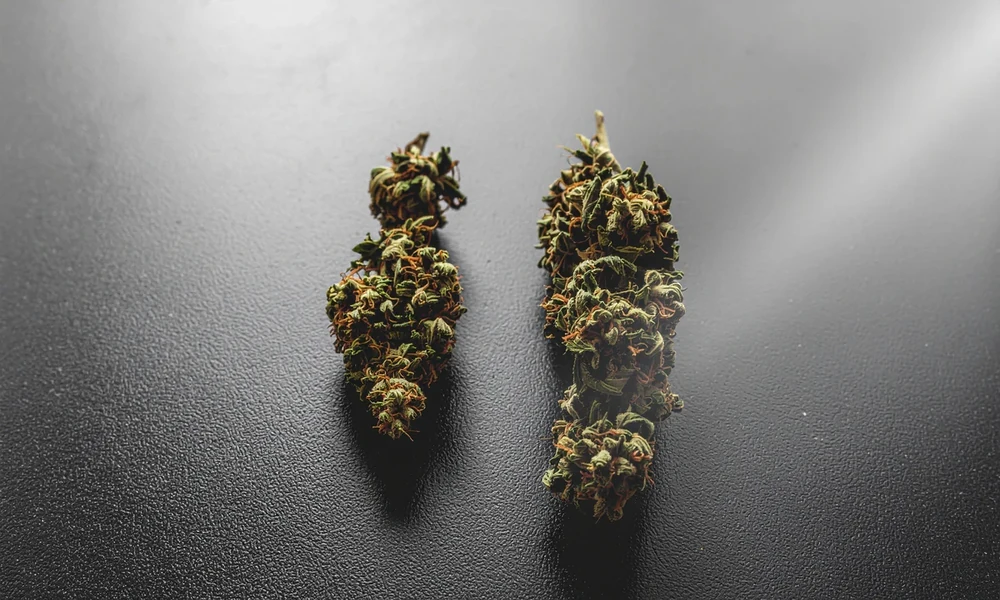
Four US states currently ban smokable hemp flower outright, and a second small group restricts it short of prohibition. Idaho, Louisiana, Texas, and Indiana anchor the banned list, each arriving there through different legal reasoning. Idaho blocks the material as part of its wider stance against any THC trace. Louisiana and Texas permit hemp broadly, yet carve out smokable formats through separate statutes. Indiana wrote its definitions narrowly enough that flower possession invites charges even when content tests are compliant. Bans of this kind survive because the flowers look and smell identical to marijuana, which strains enforcement wherever both circulate. Legislatures chose the format prohibition as the simpler answer. Retail buyers checking the Exhale Wellness catalogue notice smokable listings ship only where the law allows, a shipping map that mirrors this article. Counting bans, restrictions, and open ground gives the full national picture in three layers below.
Ban vs restriction
Two legal postures divide the strict states, and the difference shapes every roadside outcome.
- Full bans. Idaho, Louisiana, Texas, and Indiana prohibit the format itself. Compliant lab results change nothing, since the statute targets smokable material rather than THC content. Discovery means confiscation at a minimum in all four.
- Restrictions. Iowa holds a flower in a definitional grey space without naming a ban. Oregon and Colorado run total THC math, failing raw material that passes the federal standard. A few jurisdictions bar retail sale while tolerating possession.
The practical split: bans produce predictable enforcement, restrictions produce uncertain enforcement. Cautious routing treats both groups identically, though only the first four guarantee trouble.
Inside each ban
- Idaho – Zero THC tolerance makes a separate flower rule unnecessary, since any trace violates the statute from the first gram.
- Louisiana – A complete hemp program covers oils and edibles, while dedicated language bars every smokable product at retail and beyond.
- Texas – Identical structure, born from an enforcement argument: officers cannot field-separate flowers from marijuana, so the format lost.
- Indiana – Narrow definitions reach a ban without announcing one, and courts upheld charges over compliant material, settling the practical question.
Four states, three legal routes, one shared outcome for anyone carrying buds across their lines.
Open ground details
Beyond both strict groups, smokable flower moves lawfully through most of the country. Open territory splits into three reliable runs.
- Kentucky, Tennessee, North Carolina, and Virginia lead the Southeast, where hemp agriculture runs deep, and flower sells openly.
- Georgia, Florida, Missouri, Illinois, Michigan, and Pennsylvania extend open ground across the centre and south.
- Vermont, Maine, and Massachusetts hold New England consistent at every crossing.
Open status still rewards habit. Sealed retail packaging separates lawful flower from loose material at a glance, and certificates listing full cannabinoid values answer whichever lab standard a border applies. Interstate routes threading only open states pass without one legal pause.
Smokable flower law comes down to a quick map check before any trip. Four states say no, a few say maybe, and the rest wave compliant material through. Ten minutes spent matching a route against those groups turns the whole question into background noise for the entire drive.