

Key Takeaways
- Transport challenges often come from assumptions, not capacity issues
- A 23-seater bus solves more planning problems than many organisers expect
- Choosing the right bus company partner reframes cost, comfort, and coordination
- Shifting perspective early leads to smoother events and fewer last-minute fixes
Introduction
Group transport planning is usually framed around a single question: How do we get everyone from point A to point B? While practical, this narrow view often leads to compromises, inefficiencies, and unnecessary stress. When organisers rethink transport as part of the overall experience, better solutions start to emerge. A bus company in Singapore plays a far greater role than simply supplying a vehicle. The choice of bus size, especially a 23-seater bus, can quietly unlock flexibility, comfort, and coordination that smaller vehicles or oversized coaches struggle to deliver.
Transport as a Design Decision
Transport shapes schedules, participant energy, and overall flow. When organisers rethink transport as a design decision, the conversation changes. Instead of asking how many vehicles are needed, they begin asking what kind of experience is required. A bus company in Singapore provides a range of fleet options precisely because different group sizes need different solutions. The 23-seater bus sits in a sweet spot to keep groups together, yet compact enough to navigate urban routes and tighter pick-up points.
Why the 23-Seater Bus Is Often Overlooked
Many planners default to either vans or full-sized coaches without considering mid-sized options. A 23-seater bus is often overlooked because it does not fit common assumptions about “small” or “large” groups. In practice, many corporate teams, school groups, or extended families fall squarely within this range. Choosing a 23-seater bus avoids the inefficiency of multiple smaller vehicles while preventing the underutilisation of a large coach.
Rethinking Cost Beyond the Headline Price
Cost discussions often focus on the quoted rate rather than the total value. Shifting perspective means looking beyond the price tag to consider time savings, coordination effort, and risk reduction. A bus company in Singapore helps consolidate these factors into a single, predictable arrangement. With a 23-seater bus, organisers reduce indirect costs such as staggered arrivals, communication breakdowns, or extended venue bookings due to delays.
Comfort as a Functional Advantage
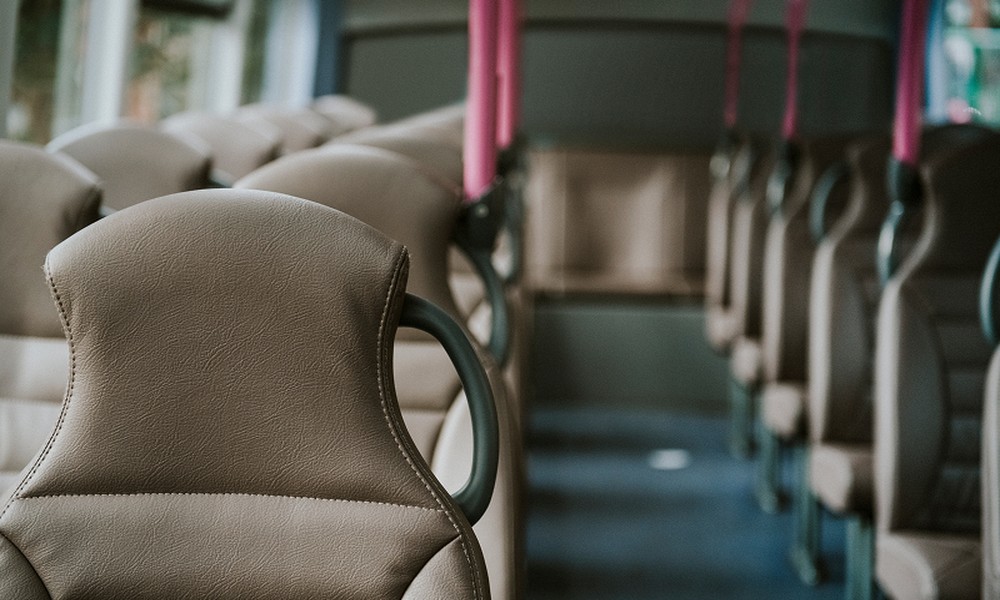
Comfort is frequently mistaken for a luxury feature, yet it has functional implications. Passengers who are seated comfortably, have adequate space, and experience a smooth ride arrive more focused and cooperative. A 23-seater bus typically offers better seating ergonomics and spacing than smaller vehicles. When working with a bus company in Singapore, comfort becomes a built-in feature rather than an afterthought.
Coordination Becomes Simpler With the Right Scale
Coordination complexity grows with every additional vehicle. Multiple vans or cars require multiple drivers, arrival times, and instructions. Shifting perspective reveals that fewer, well-sized vehicles often reduce coordination strain. A 23-seater bus allows a single pick-up, single departure, and shared arrival.
Flexibility Within Urban Constraints
Singapore’s urban environment presents unique transport challenges, from limited parking to narrow access roads. Oversized vehicles may struggle in certain locations, while smaller vehicles may require multiple trips. The 23-seater bus offers a balanced solution. It is large enough to carry a full group while remaining agile enough for varied pick-up and drop-off points.
Safety and Accountability Reframed
Shifting perspective encourages organisers to see safety as an outcome of professional systems, not just driver skill. A bus company in Singapore that operates follows regulatory standards covering vehicle maintenance, driver licensing, and operational protocols. Using a 23-seater bus reduces risks associated with convoy travel, driver fatigue, or inconsistent standards across multiple vehicles.
Matching Vehicle Choice to Purpose
Shifting perspective means matching transport to purpose rather than defaulting to extremes. A 23-seater bus suits a wide range of scenarios, from company retreats and client visits to school programmes and private celebrations. This flexibility allows organisers to adapt transport plans to actual group dynamics rather than perceived expectations.
Environmental Considerations: Gain Clarity
Sustainability goals are increasingly part of planning conversations. Group transport already reduces vehicle count, but right-sizing further improves environmental efficiency. A 23-seater bus consolidates passengers into a single journey without excess capacity. This reframes transport choice as part of responsible planning rather than mere logistics.
Conclusion
Transport challenges rarely stem from a lack of options; they stem from limited perspectives. By rethinking how group movement fits into the broader plan, organisers unlock solutions that feel simpler, calmer, and more reliable. Choosing the right bus company in Singapore and considering a 23-seater bus early in the planning process can resolve issues around timing, comfort, and coordination before they arise.
For those exploring practical fleet options and real-world use cases, contact Legendary Transport today to learn more.