

Some landscapes stay with you long after the trip is over. Norway’s fjords are one of them. Deep, narrow inlets cut into towering cliffs, waterfalls spill down from the heights, and small villages cling to the shoreline below. It is a scene that feels almost too dramatic to be real.
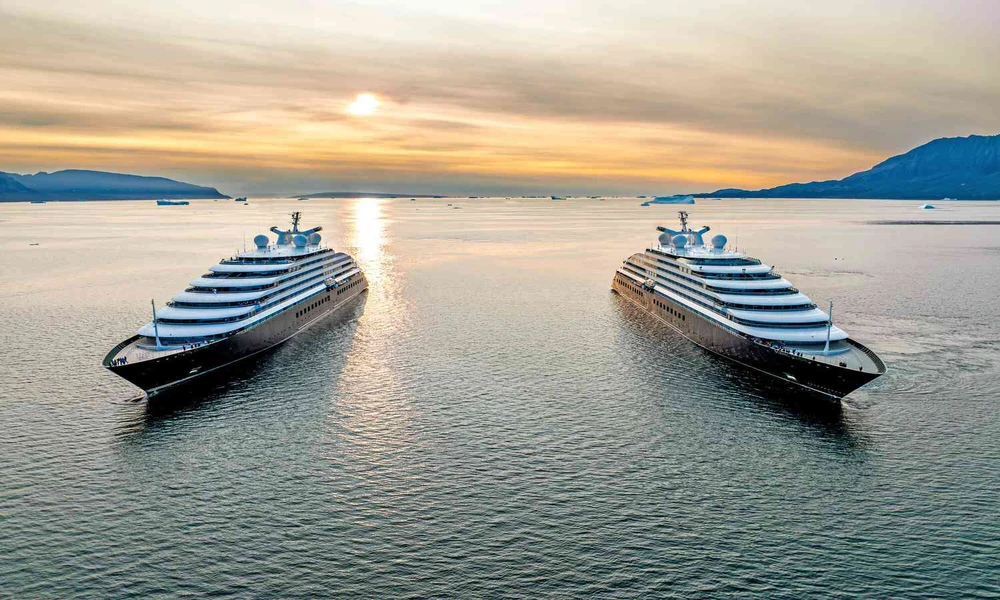
One of the most relaxed ways to see it is on one of the Northern Europe European cruises that sail through the fjords, since the ship itself becomes your front-row seat. Here is what makes Norway’s fjords so special, and how to plan around them.
What Is a Fjord, Exactly?
A fjord is a long, deep, narrow inlet of the sea, carved by glaciers over thousands of years. As the ice moved, it gouged valleys with steep sides, and when it melted, seawater flooded in. The result is calm, dark water surrounded by sheer rock walls that rise high above the surface.
Norway has more than a thousand of them, but a handful are especially well known.
Norway’s Most Famous Fjords
- Geirangerfjord: A UNESCO-listed fjord known for its waterfalls, including the Seven Sisters, and for tiny farms perched high on the cliffs.
- Nærøyfjord: One of the narrowest fjords in Europe, with walls that feel close enough to touch.
- Hardangerfjord: Often called the orchard fjord, especially beautiful in spring when the fruit trees blossom.
- Sognefjord: The longest and deepest fjord in the country, often nicknamed the king of the fjords.
Each has its own personality, so seeing more than one gives you a fuller picture of the region.
Beyond the Water: Things to Do Ashore
While the sailing is spectacular, there is plenty to enjoy when you step onto land.
- Scenic train rides. The Flåm Railway climbs through mountains and past waterfalls, and it is regularly ranked among the most beautiful rail journeys anywhere.
- Viewpoints. Lookouts such as Flydalsjuvet give you the classic overhead view of the fjord and the ship below.
- Village walks. Small towns like Flåm and Geiranger are easy to explore on foot and have cafes, craft shops, and local museums.
- Waterfall visits. Several falls can be reached by short, well-marked paths.
- Local flavors. Try smoked salmon, waffles with brown cheese, and fresh berries when in season.
When to Go
Fjord season generally runs from late spring through early autumn, and each part of it has its own appeal.
- May and June: Snowmelt makes waterfalls especially full, and the days grow very long, with light well into the evening.
- July and August: The warmest weather of the year, with the most comfortable conditions for walking and exploring.
- September: Quieter villages and a softer, golden light, with early autumn color beginning in the hills.
The far north has its own seasonal rhythm. During the summer months, the sun barely sets, a phenomenon known as the midnight sun, which gives sightseeing a magical, never-ending quality.
What to Pack
Norwegian weather can change quickly, even in summer, so layers are the best strategy.
- A light waterproof jacket
- Comfortable walking shoes with good grip
- A warm layer for the deck in the morning and evening
- Sunglasses and sunscreen, since light reflects strongly off the water
- A camera or phone with plenty of storage
Making the Most of Your Fjord Day
A few small choices can improve the experience. Find a spot on deck early, since the best views often come in the first hour of entering a fjord. Bring a warm drink and a blanket if you plan to stay outside. And do not rush. The pace of the scenery is slow on purpose, and the best moments tend to arrive when you stop trying to photograph everything and simply watch.
A Landscape Worth the Journey
Norway’s fjords reward travelers who like nature on a grand scale. They are peaceful and powerful at the same time, and no photograph quite captures the feeling of gliding between cliffs that rise thousands of feet overhead.
To learn more about regions, seasons, and local activities, Visit Norway is the country’s official tourism resource and a helpful starting point.
Fjord Season: Why Norway Belongs on Your Bucket List