
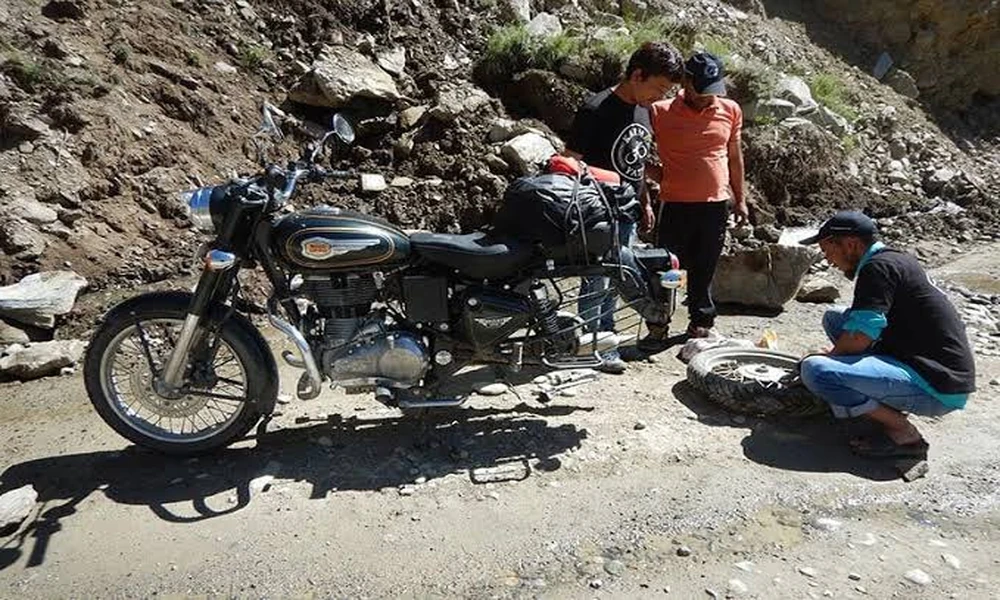

Mountain touring offers riders an opportunity to explore winding roads, steep climbs, and beautiful landscapes. However, travelling through mountainous regions can be challenging because of changing weather, uneven surfaces, and varying road conditions. Choosing a suitable motorcycle plays an important role in making the journey comfortable and manageable. The right model should match your riding experience, travel plans, and the type of terrain you expect to encounter.
Whether you are planning a weekend escape through local hills or embarking on a demanding high-altitude expedition like a Pokhara to Muktinath motorbike tour, the demands placed on your machine can vary drastically. Steep inclines, rocky trails, and high-altitude passes require specific mechanical strengths that a standard commuter bike simply cannot provide. Understanding the key components that affect stability, power delivery, and rider endurance will help you narrow down your options before you hit the road.
Consider the Engine Capacity
Engine capacity is an important factor when selecting a motorcycle for mountain travel. A bike with sufficient power can make climbing steep roads easier, especially when carrying luggage. However, choosing a motorcycle with a very large engine does not automatically guarantee a better touring experience.
Beginners may find a lightweight motorcycle with moderate engine capacity easier to control. Experienced riders travelling longer distances may prefer a model that offers stronger performance and comfortable cruising speeds.
Check the Suspension System
Mountain roads often contain potholes, loose stones, and uneven sections. A capable suspension system helps absorb road impacts and improves riding comfort.
Look for a motorcycle with suitable front and rear suspension travel. Models designed for adventure touring often provide better handling on mixed road surfaces. If you regularly travel with luggage or a passenger, check whether the suspension can be adjusted to suit the additional weight.
Evaluate Riding Comfort
Long mountain journeys can involve several hours of continuous riding. An uncomfortable seating position may cause back pain, wrist strain, and muscle fatigue.
Before choosing a motorcycle, pay attention to the seat height, handlebar position, footpeg placement, and overall riding posture. Make sure you can reach the ground comfortably when stopping. A well-designed seat and relaxed riding position can make extended journeys more enjoyable.
Look at Weight and Handling
A heavy motorcycle may feel difficult to manoeuvre on narrow mountain roads, especially at low speeds or during sharp turns. Lighter models are generally easier to handle when navigating tight spaces and uneven paths.
Consider your physical comfort and riding experience before making a decision. If possible, take a test ride to understand how the motorcycle responds during braking, turning, and slow-speed movement.
Examine Fuel Efficiency and Range
Fuel stations may be widely separated in remote mountain areas. A motorcycle with reasonable fuel efficiency and a suitable tank capacity can reduce the need for frequent stops.
Calculate the approximate distance you expect to cover between refuelling points. If your chosen motorcycle has a smaller tank, carrying an approved auxiliary fuel container may be worth considering where permitted.
Check Maintenance and Availability of Parts
A touring motorcycle should be reliable and reasonably easy to maintain. Before purchasing, research service centre availability and the cost of common replacement parts. Models with accessible spare parts can be easier to manage during long journeys.
Choosing the Right Motorcycle for Mountain Touring